
Custom WordPress development, architected for your business.
Enterprise WordPress development for companies where the platform is business infrastructure.
Weve been delivering projects since 2006, for companies that need a platform to handle scale and integrate with internal systems. Not an off-the-shelf template. Not an agency that ends the engagement at launch.
WHAT WE BUILD
Seven areas. One specialization.
A complete WordPress implementation – from architecture through Gutenberg block libraries to integrations and performance.
01
Custom WordPress platform architecture
We design the system before we write code. Technology stack, infrastructure, data model, integration plan. Everything documented and approved – so there are no surprises when we start building.
02
Custom themes and Gutenberg block libraries
We build dedicated WordPress themes on Block Editor and Full Site Editing. Your marketing team or editorial staff creates new pages from a block library designed for your use cases – without waiting for developers.
03
Design system on WordPress
A single source of visual and component truth. Shared colors, typography, and a documented component library. Consistency across every brand site in your portfolio.
04
Custom plugin development
Business logic that off-the-shelf plugins cannot handle. Dedicated plugins with clean code, documentation, and tests. Your team can maintain them independently after we deliver.
05
Multi-site and multi-brand architecture
Managing dozens of brand sites from one architecture. Shared design system, centralized plugin management, same deployment process everywhere. We have built this for companies managing 30+ properties.
06
Integrations with external systems
WordPress as the central hub: ERP, CRM, marketing automation, payment systems, analytics, Algolia for intelligent search. Dedicated APIs instead of plugin sprawl.
07
Performance and Core Web Vitals
Optimization at the architecture level, not just the caching layer. Load time, stability under load, and Core Web Vitals translate directly into Google rankings and revenue.
WHO WE BUILD FOR
Companies for whom
WordPress is a business platform, not a website.

Corporations and multi-brand portfolios
We design multisite architectures where each brand keeps its own visual identity while the whole platform shares one design system and one deployment process. Updating every site takes hours, not weeks.

Technology companies and scale-ups
We build the WordPress content layer for companies whose core product runs on something else – marketing landing pages, technical documentation, blog, career pages. An architecture aligned with your main tech stack.

Publishers and content platforms
We build platforms with Full Site Editing and Gutenberg block libraries that give your editorial team independence from developers. Architecture-level performance protects your Core Web Vitals, Google rankings, and ad revenue.

Enterprise eCommerce and finance
We build WooCommerce stores with ERP, CRM, and payment system integrations. Custom B2B pricing, credit limits, order approvals – business logic off-the-shelf marketplace solutions will not handle.
CHALLENGES
Familiar challenges we have solved dozens of times.
Each challenge below comes from a real WordPress project we stabilized or rebuilt. Not from market research. Recognizing these patterns early is the first step to building something that works at scale.
Platforms that ran smoothly at 10k users lose stability at 500k. The cause is rarely the plugin count – it is architectural decisions made early that compound under load. We have rebuilt dozens of these systems without disrupting the business on top of them.
A previous engagement ended. The code stayed. No documentation, custom patterns, no handover. We take over, document what exists, and give you an honest recommendation on what to keep and what to rebuild. See how rescue missions work →
IMPLEMENTATION PROCESS
From diagnosis to
a working platform.
STEP 01
Discovery and diagnosis
(Week 1-2)
We start with conversations – with you, your team, your users. We understand the goals, constraints, and existing context. If we are taking over an existing system, we audit current architecture, technical debt, and integrations. You get an honest recommendation on what to keep and what to rebuild.
STEP 02
Architecture and design system (Week 2-4)
We design a system matched to your goals, not our preferences. Tech stack, infrastructure, design system, migration plan. The Gutenberg block library and documentation. You approve everything before we write production code.
STEP 03
Development
A delivery team builds, tests, and deploys. Weekly progress, full visibility, no end-of-project surprises. We own the outcome, not the hours billed.
STEP 04
Launch and knowledge transfer
We deploy to production and hand over with full technical documentation and training. Your team develops the platform independently.
The engagement rarely ends at launch. Most clients move into our long-term Growth & Care partnership.
CASE STUDIES
WordPress development
in practice.

LernerPython
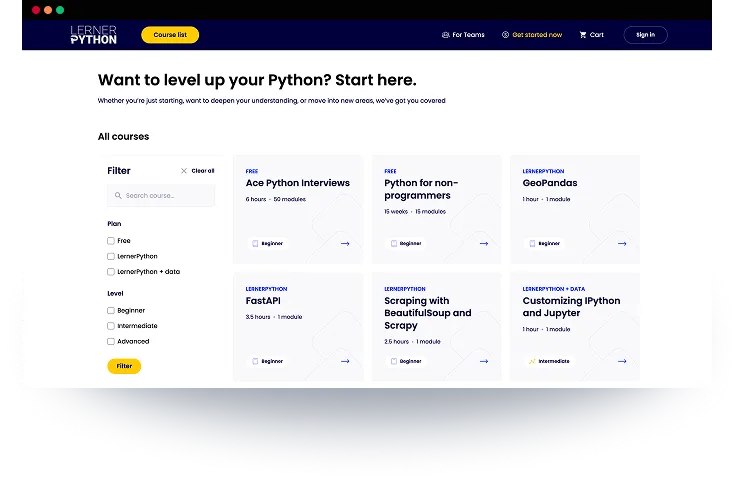
LernerPython is a premium, membership-based e-learning platform created by Reuven Lerner, an internationally recognized teacher and author of books on the Python programming language. The platform offers: structured Python courses, weekly coding challenges, access to a community via Discord, and long-term memberships for programmers at various skill levels.

PokerDeals
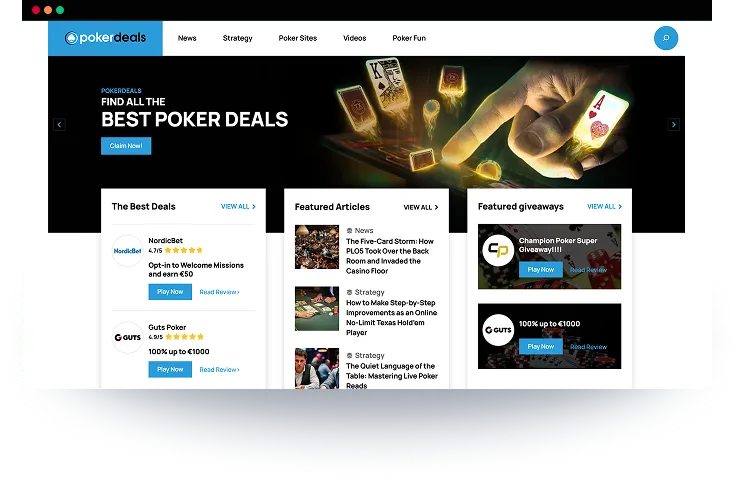
PokerDeals is an online poker affiliate platform targeting the English-speaking market, combining poker room comparisons, reviews, rankings, bonus listings and educational content for poker players.

Time2Play

A leading iGaming affiliate site comparing casinos and sportsbooks for international audiences. Time2Play is part of a wider portfolio of iGaming media properties that share a common technical foundation.
Questions about
WordPress
development.
Templates work when your business matches the template. They do not when your logic, integrations, or scale do not fit inside what a theme vendor anticipated. Custom WordPress development means architecture, themes, and plugins designed for your requirements – not adapted from something generic.
Yes. A properly architected WordPress platform powers sites with millions of monthly pageviews, multi-brand portfolios, and ecosystems with dozens of integrations. What matters are the decisions made early: code organization, database query optimization, hosting infrastructure, caching strategy. We have been delivering enterprise WordPress projects this way since 2006.
It depends on scale and complexity. A mid-size project takes several months with 3-8 engineers. Multi-brand ecosystems run multi-month. We always invest 2-4 weeks up front in conversations, audit, and architecture – without that, we do not start.
Yes. An architecture audit is a natural first step if you are uncertain about scope. You get a diagnosis of the existing system or an architectural recommendation for a new platform. Based on that, you decide the next step.
Most clients move into our Growth & Care model – ongoing development, architecture governance, performance monitoring, and security updates. See the Growth & Care details →